
How Barometric Pressure Affects Fishing
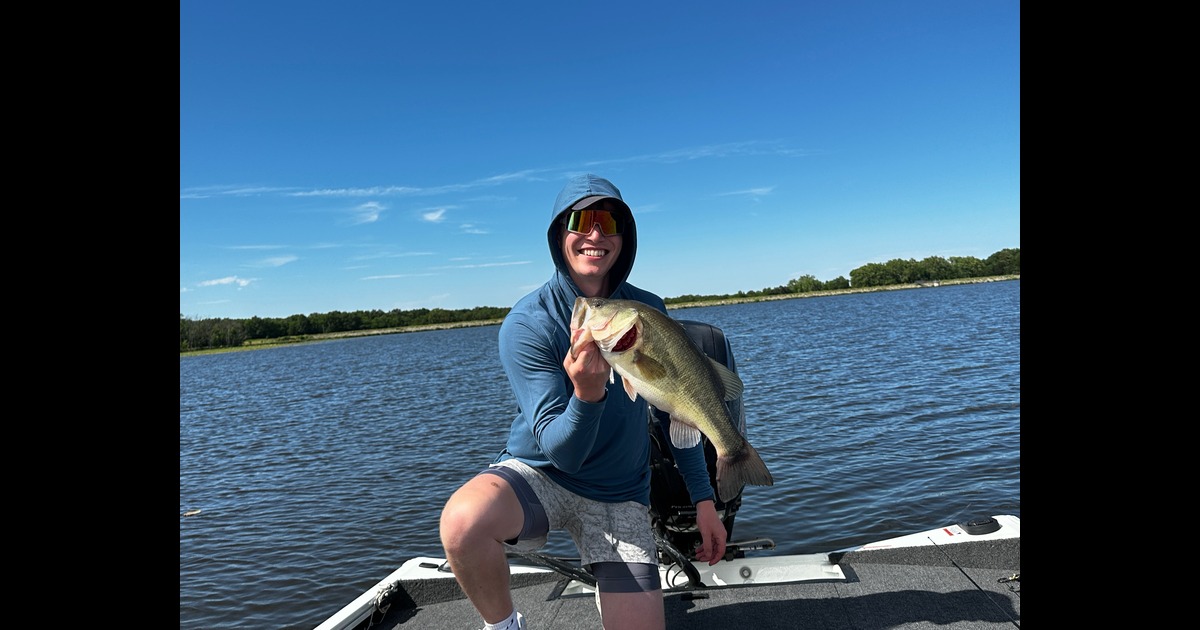
Ask any seasoned angler what the single most important weather variable is, and you'll hear the same answer over and over: barometric pressure. Not temperature, not wind, not cloud cover. Pressure. It's the invisible force that dictates whether fish feed aggressively or lock jaw for hours.
What Is Barometric Pressure?
Barometric pressure (also called atmospheric pressure) is the weight of the air column pressing down on the earth's surface and, by extension, on the water. It's measured in inches of mercury (inHg) or millibars (mb). Standard sea-level pressure sits around 29.92 inHg (1013.25 mb).
Fish don't read barometers, but they feel pressure changes through their swim bladders, the gas-filled organs that help them control buoyancy. When pressure shifts, the swim bladder expands or compresses, creating physical discomfort that directly influences behavior.
The Four Pressure Phases and How Fish Respond
1. High and Stable Pressure (30.20+ inHg)
Clear, bluebird skies. The fishing magazines call these "tough" days, and they're right.
- Fish settle into deeper water and become lethargic
- Swim bladders are compressed, and fish feel comfortable sitting still
- Feeding windows shrink to early morning and late evening
- Best approach: Slow presentations, finesse tactics, natural colors. Target shaded structure and deeper ledges.
2. Falling Pressure (30.00 → 29.60 inHg)
This is the magic window. A falling barometer typically signals an approaching front, and fish respond by feeding heavily before conditions deteriorate.
- Fish move shallower and feed aggressively
- Reaction strikes increase because fish are competitive and opportunistic
- Activity often peaks 12-24 hours before a front arrives
- Best approach: Cover water quickly with moving baits. Crankbaits, spinnerbaits, topwater, anything that triggers reaction bites.
3. Low Pressure (29.60 and below)
The front has arrived. Rain, wind, overcast skies. Fish behavior during low pressure depends heavily on species and how quickly the pressure dropped.
- Bass often continue feeding through the early stages of a front
- Crappie and panfish tend to suspend and become inactive
- Catfish and carp can actually feed more aggressively in low pressure
- Best approach: Slow down slightly from the falling-pressure frenzy, but don't pack it in. Overcast skies reduce light penetration, which keeps fish comfortable in shallower water.
4. Rising Pressure (29.60 → 30.00+ inHg)
The front has passed. Skies are clearing. This is the second-toughest phase after stable high pressure, but there's a brief feeding window.
- Fish are sluggish immediately after the front passes
- A short burst of feeding often occurs 6-12 hours into a rising trend as fish adjust
- Activity gradually decreases as pressure stabilizes at a high level
- Best approach: Patience. Start with slow presentations near cover, then transition to more aggressive tactics if you notice increased activity.
Pressure Matters More Than the Actual Number
Here's what most anglers get wrong: it's not about whether the barometer reads 30.10 or 29.80. The rate and direction of change matter far more than the absolute value.
A barometer sitting at 29.70 for three days straight will produce tougher fishing than a barometer that dropped from 30.20 to 29.90 over the past 12 hours. Fish respond to transitions, not set points.
This is why checking a single snapshot of current pressure tells you almost nothing. You need the trend, ideally over the previous 24-48 hours.
Species-Specific Responses
Different species have different sensitivities to pressure changes:
- Largemouth bass: Highly responsive to falling pressure. Some of the best topwater bites happen in the 12 hours before a cold front.
- Smallmouth bass: Similar to largemouth but tend to go deeper faster once pressure stabilizes high.
- Walleye: Often feed best during low-light, low-pressure conditions. Overcast frontal days can be excellent.
- Trout: Less dramatic response to pressure alone, but combined with cloud cover and reduced light, falling pressure triggers surface feeding.
- Crappie: Extremely pressure-sensitive. Falling pressure pushes them shallow; rising pressure sends them to suspend over deep structure.
- Catfish: One of the least pressure-sensitive species. They'll feed through almost any conditions, though falling pressure still produces the best bites.
How STAT Outdoors Helps You Use This Data
Tracking barometric pressure manually is tedious. You'd need to check the forecast multiple times a day, note the trend direction, cross-reference it with your past fishing logs, and then make a judgment call.
STAT Outdoors automates all of this:
- Automatic weather capture: Every time you log a fishing trip, the app records barometric pressure, temperature, wind, humidity, and conditions for your exact GPS location.
- Trend visualization: The Weather Patterning feature shows you pressure trends over the past 48 hours, not just a single reading.
- Historical correlation: Over time, the app builds a dataset of your personal catch data cross-referenced with pressure conditions. You'll start seeing which pressure ranges produce your best days at specific spots.
- Predictive scoring: The activity score factors in pressure trends alongside other variables to highlight the best upcoming fishing windows.
Practical Takeaways
If you remember nothing else from this article, remember these three rules:
- Fish the fall. A dropping barometer is your best friend. Rearrange your schedule to get on the water 12-24 hours before a front.
- Watch the trend, not the number. A pressure reading without context is meaningless. Always look at the direction and rate of change.
- Log everything. The more trips you log, good and bad, the clearer the pressure patterns become for your specific waters and target species.
Barometric pressure isn't a cheat code. Fish are still wild animals with unpredictable behavior. But understanding pressure trends gives you a measurable, repeatable edge that compounds over an entire season.
Start logging your trips with STAT Outdoors and let the data show you what the barometer already knows.